Switching Seasons in Grey-Bruce: How to Store Your Summer and Winter Gear the Right Way
Switching Seasons in Grey-Bruce: How to Store Your Summer and Winter Gear the Right Way
—
March 19th, 2026
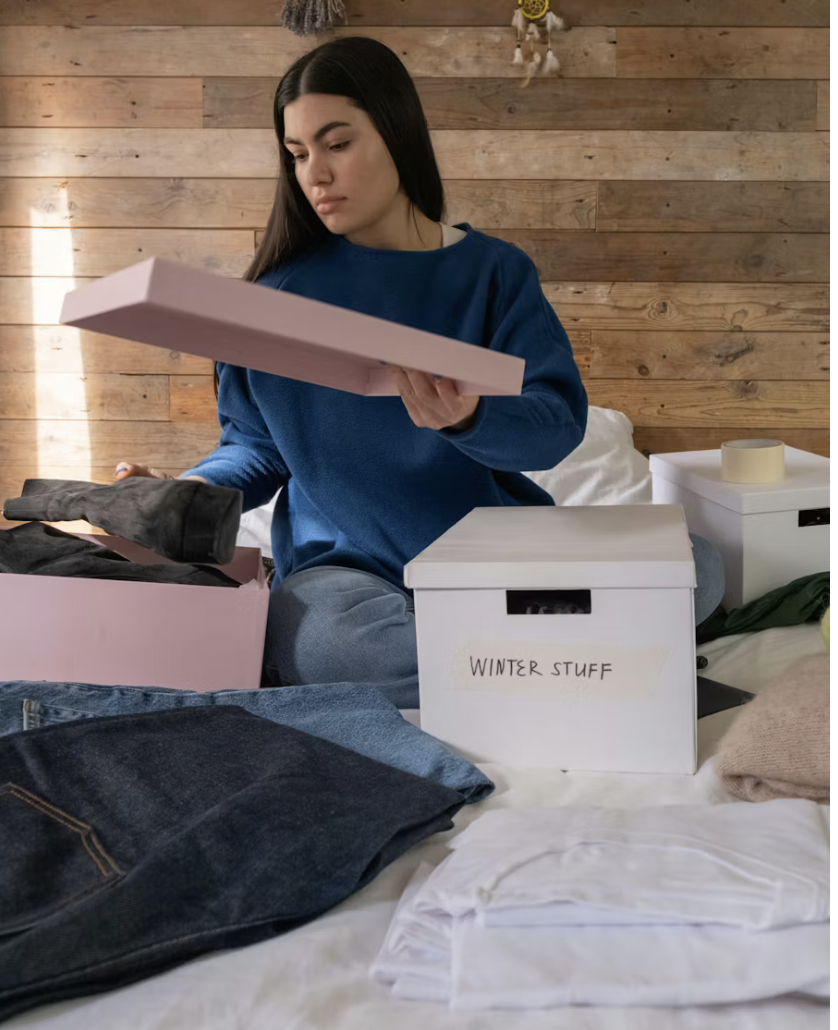
Every spring in Bruce and Grey Counties, the same practical problem surfaces in garages, basements, and sheds across the region: you need the kayak out, the snowblower stored, the patio furniture retrieved, and the ski gear put away, and there isn't enough room to hold both seasons at once. If you've ever had a summer where your garage became a maze, or a winter where finding the right box of Christmas decorations meant moving everything else first, you already understand the problem. The seasonal gear overlap isn't just inconvenient. It leads to damaged equipment, wasted time, and the kind of low-grade household friction that's easy to ignore until something gets ruined or lost. At Stow It Self Storage in Port Elgin and Owen Sound, we help a lot of Grey-Bruce households manage this transition twice a year. Spring and early fall are our busiest swap-out periods. What follows is a practical guide to making that transition smoother, both for the gear you're putting away and the gear you're bringing back out.
Why Seasonal Storage Is a Bigger Challenge in Ontario Than Most Places
Grey-Bruce isn't a mild-winter region with a little snow. It's a four-season area with real extremes in both directions. Winters bring sustained cold, heavy snowfall, and the kind of freeze-thaw cycling that can damage equipment stored improperly. Summers bring heat, humidity, and UV exposure that can degrade rubber seals, fabrics, and plastics when items are left in unventilated spaces. This means the stakes for seasonal storage in Grey-Bruce are higher than average. A bike left in an uninsulated garage over winter in Owen Sound faces meaningfully different conditions than one stored in a climate-controlled unit. Understanding the environment your stored gear is going into matters here in a way it might not matter elsewhere.
Summer Gear: What Comes Out in Spring and Where It Spends the Winter
The short answer is: not in overcrowded garages, poorly ventilated sheds, or spaces where items are exposed to moisture and extreme fluctuations without proper preparation. Here's a breakdown of the common categories: Watercraft and paddling equipment. Kayaks, canoes, paddleboards, and inflatables generally do better in a dry, temperature-stable environment over winter. Hard hulls stored in unheated spaces are exposed to sustained cold and freeze-thaw stress. A dedicated storage unit keeps them at a stable temperature and off the floor. Bicycles. Salt from winter roads can work its way into garages and affect frames and components that weren't stored carefully. A clean, dry storage space keeps bikes in better condition through the off-season and ready to ride when the weather turns. Patio furniture. Cushions are almost always better stored indoors rather than in deck boxes left outside over winter. Even treated outdoor cushions can hold moisture in sub-zero temperatures. If your garage or basement doesn't have room, a storage unit is a clean solution for a season's worth of patio seating and accessories.Lawn and garden equipment. Mowers, trimmers, blowers, and garden tools benefit from a dry, secure space over the months they're not being used. A unit at our Port Elgin or Owen Sound location gives you somewhere clean and accessible to keep them until the season turns. Seasonal sports gear. Camping equipment, golf bags, fishing gear, cycling accessories, and outdoor sports equipment all benefit from being stored in a controlled environment over the months they're not being used, rather than left in unheated spaces where moisture over time can lead to gradual wear or damage, especially if items are not properly prepared.
Winter Gear: What Goes Away in Spring and What to Watch For
Once the ski hills close and the snowmobiles come off the trails, Grey-Bruce households are suddenly holding a significant inventory of cold-weather equipment that needs to go somewhere until November. Here's how to approach the main categories:Skis, snowboards, and ski boots. Technical outerwear and ski boots tend to hold up better when stored at a stable room temperature rather than in cold sheds or unheated garages where materials can become brittle or misshapen over a summer. A climate-controlled unit handles this well. Snowmobiles and ATVs. These are significant investments and deserve proper off-season care. A clean, dry, secure environment is the baseline. Our Owen Sound location offers seasonal indoor heated storage for vehicles and recreational equipment, a meaningful step up from a cold garage for machines you want to protect. We recommend consulting your owner's manual or a local dealer for specific winterization steps for your make and model. Ice fishing gear. Ice fishing shelters, augers, and equipment stored with any moisture can develop issues over a summer. Taking the time to clean and fully dry everything before storing makes a noticeable difference in how gear comes out at the start of next season. Snowblowers. Proper off-season preparation, including handling the fuel correctly, makes a real difference in how reliably a snowblower starts the following November. Your owner's manual will have the manufacturer's recommended steps for your specific machine. Winter clothing and outerwear. Ski jackets, snow pants, and winter boots generally benefit from being clean and fully dry before going into storage, and from having some air circulation rather than being sealed tightly in plastic. Technical fabrics and down insulation in particular do better in breathable storage conditions. It’s important to note that most seasonal items store very well in standard, unheated storage units when they are properly cleaned, dried, and stored correctly. In fact, this is the most common and practical solution for many households in Grey-Bruce. The key difference often comes down to preparation and the type of items being stored.
Climate-Controlled vs. Standard Storage: Which Do You Need?
For most seasonal gear, standard storage works well. The key question is whether your items are particularly sensitive to temperature extremes or humidity. Here's a practical breakdown: Climate-controlled storage is generally the better choice for: inflatable watercraft, ski boots and technical outerwear, electronics (GPS units, action cameras, portable speakers), wooden paddles or oars, vintage or high-value recreational equipment, down insulation, foam padding, and sleeping pads, essentially anything that could be affected by a temperature swing between -20°C and +35°C, or by humidity changes over several months. Standard storage works well for: hard-shell kayaks and canoes stored on proper racks, metal-frame patio furniture without cushions, most lawn and garden tools, hockey equipment and gear bags, exercise equipment, and general sporting goods that don't have electronics or insulation components. Both options are available at our Port Elgin and Owen Sound locations. Seasonal indoor heated storage for vehicles and recreational equipment is available at our Owen Sound location. Both standard and climate-controlled storage can be effective solutions. Climate and heated units simply provide added convenience and protection for items that are more sensitive or require less preparation.
Choosing the Right Unit Size for Seasonal Gear
For customers looking for an added layer of protection, our vault-style units offer individually enclosed spaces that help reduce exposure to dust, pests, and ground moisture. These units can be a great option for storing valuable or sensitive items while maintaining the simplicity of standard storage. Unit sizing depends on what you're storing and whether you're doing a full swap or supplementing your home storage. Here's a general guide:
5x5 (25 sq. ft.): A few bikes, ski equipment for one person, camping gear, or seasonal sporting goods for a single household member. A good starting point for lighter seasonal storage needs.
5x10 (50 sq. ft.): Ski and snowboard gear for a family, bikes, patio cushions, fishing equipment, and boxes of seasonal clothing. One of the most common sizes for household seasonal storage in our region.
5x15 or 10x10: A kayak or canoe alongside seasonal gear, patio furniture, golf equipment, and multiple seasons of sporting goods. Works well for households with an active outdoor lifestyle.
10x15 or 10x20: A snowmobile, ATV, or small boat alongside seasonal equipment, a full set of patio furniture, and multiple storage categories. The right size for households managing both a vehicle and general seasonal storage.
10x25 or larger: For households storing a boat, recreational vehicle, or full-size snowmobile trailer alongside additional equipment. We also offer outdoor storage up to 40 feet for trailers and larger equipment at both locations.
Making the Transition Easier Each Year
The households that manage seasonal transitions most smoothly tend to share a few habits. They don't wait until they need the next season's gear to sort out the previous one. April is a much better time to organize ski equipment than November when you actually want it. They use clear bins with labelled contents for items that cycle in and out of storage each year. They do a quick condition check before sealing anything up, noting items that need repair or replacement before next season. And they choose a storage facility that's accessible when they need it, so that an unexpected mid-season retrieval isn't an ordeal. At Stow It Self Storage in Port Elgin and Owen Sound, we offer secure, accessible storage with flexible month-to-month terms at both locations. Whether you need a compact unit for a season's worth of ski gear or a larger space for a snowmobile and summer recreation equipment, we're happy to help you find the right fit.
Stop by, give us a call, or rent online today.
Port Elgin: 1264 Mackenzie Road | (519) 389-7700 | stowitpe@stowit.caOwen Sound: 1960 20th St East | (519) 376-8831 | stowitos@stowit.ca
A quick note: The storage and preparation tips in this post are intended as general guidance based on common seasonal storage practices. Every item is different, and for valuable or specialized equipment, particularly motorized vehicles and technical gear, we always recommend consulting your owner's manual or a qualified local service provider for specific care and winterization advice. When in doubt, ask an expert.
Categories